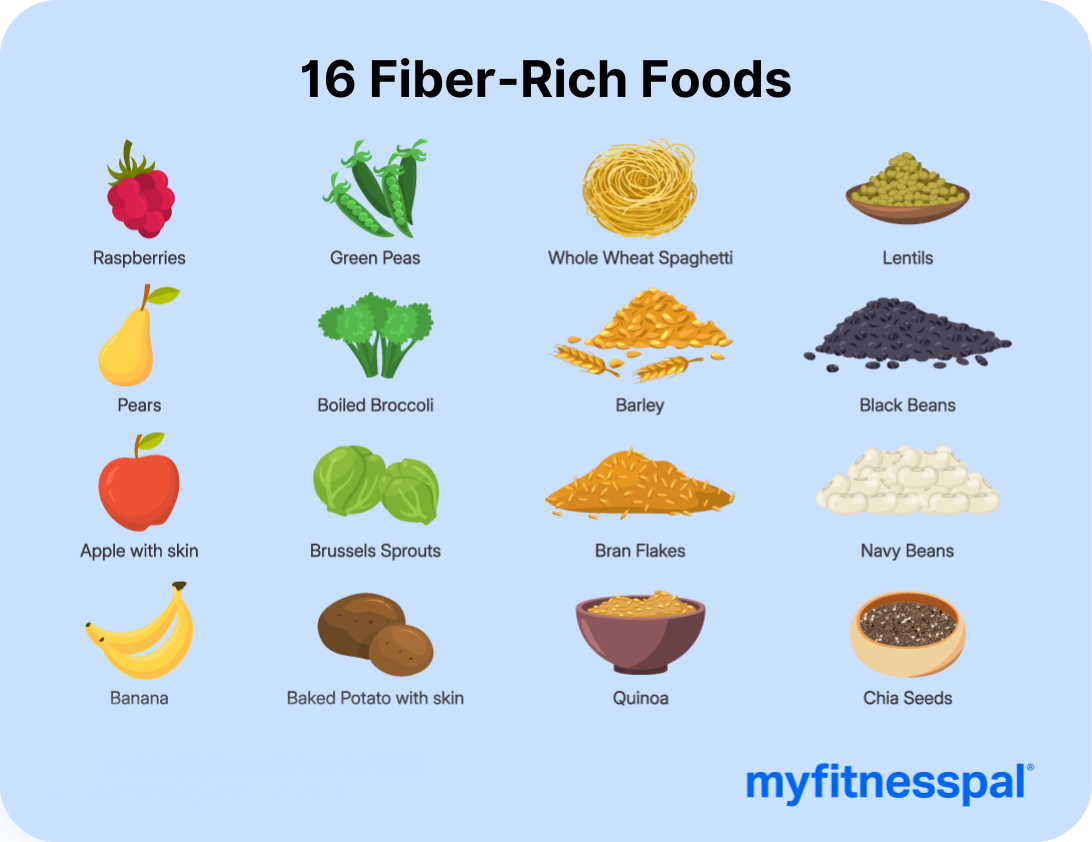


patpitchaya // Shutterstock Heart disease has long been America’s number one killer, but it’s not just a concern for older adults anymore. Alarming trends show it’s becoming a problem for young people, too. “Younger people aren’t invincible when it comes to heart health,” says preventive cardiologist and MyFitnessPal scientific advisory member Danielle Belardo, MD. “The increasing prevalence of cardiovascular conditions in younger people has many factors. Key contributors include obesity, sedentary behavior, and diets rich in ultra-processed foods,” she explains. Today, nearly half of all adults have high blood pressure, and 41% of them don’t even know it . During the past decade, heart failure deaths have skyrocketed by 906% in people under age 45, and strokes among 18-44-year-olds are up nearly 15%. While heart attacks have declined overall since 2019, they’ve surged by 66% among young adults, with 20% of all heart attacks now happening to those under 40. But the good news is, one study found that key lifestyle changes can help reduce the risk of cardiovascular disease by over 80%. MyFitnessPal asked its head of nutrition Melissa Jaeger, RD, LD and members of its Scientific Advisory Board to lay out some of the major reasons behind the rise in heart conditions among younger folks, and tips that might help lower the risk of heart disease. Reason 1: Not Eating Enough Plant-Based Foods Americans have been eating less and less fruits and vegetables over time according to USDA data. In the United States, total fruit and vegetable intake decreased from 299 pounds per person to 272 pounds in one ten year period between 2003 and 2013. “We know from the evidence in research studies that a healthful whole food, plant-based diet lowers your risk of heart disease,” says Belardo. Multiple studies have shown that plant-based diets are associated with a reduced risk of cardiovascular disease, or CVD, and mortality. Here’s a sampling of the recent research: A 2021 meta-analysis published in the journal “Nutrients” found that higher adherence to plant-based diets was associated with a lower risk of cardiovascular disease and heart disease. A 2023 study of more than 126,000 people in the U.K. published in JAMA Network Open also found plant-based diets were associated with a lower risk of mortality and cardiovascular disease. A 2023 study published in the International Journal of Environmental Research and Public Health found that adopting a vegetarian or vegan diet may result in cardiovascular mortality reductions and prolonging longevity. A 2019 study published in the Journal of the American Heart Association looked specifically at middle-aged adults and found reduced risks for heart disease and all-cause mortality among those who ate a plant-based diet. Reason 2: Trending Diets Resist the temptation to jump on the latest diet craze sweeping your social media feed. A MyFitnessPal survey revealed that 87% of millennials and Gen Z users on TikTok seek out nutrition advice there. And 57% of them say they are swayed by the nutrition trends they discover. Among those influenced by TikTok’s health and nutrition content, 67% incorporate at least one trend into their routine multiple times a week–and it’s not always great for heart health. The trouble is a lot of what you see on social media about these fad diets simply isn’t backed by scientific research. “Diets like the carnivore diet and high-saturated-fat ketogenic diets are particularly concerning,” says Belardo. The American Heart Association recommends limiting your saturated fat to less than 6% of your total calories because saturated fat increases “bad” cholesterol and increases risk of heart disease. “Understanding daily intake of saturated fat can be difficult,” says Belardo. “Food and nutrition tracking apps simplify the process and could help make it easier to monitor and gradually reduce over time.” Reason 3: The Rise in Childhood Obesity When people start carrying extra weight earlier in life, it can affect their heart health at a young age. Kids with obesity often show early signs of heart disease, including increased arterial stiffness, early atherosclerosis, and changes in heart structure and function. During the past 30 years, childhood obesity has more than doubled in children and tripled in adolescents. The prevalence of obesity among U.S. children and adolescents is 19.7%. “We’re seeing kids as young as elementary age with heart disease markers,” says Erin Palinski-Wade, RD, CDCES, CPT, and MyFitnessPal scientific advisor. “Foods with an abundance of added sugars, salts, and saturated and synthetic fats are readily available to kids,” notes Maya Feller, MS, RD, CDN, and MyFitnessPal scientific advisor. These may include chips and cheese puffs, pre-packaged breakfast sandwiches, and sugary breakfast cereals that crowd grocery store shelves. Reason 4: People Don’t Prioritize Fiber (or Know Where to Get It) It’s not the sexiest nutrient, but according to the research, it can really help you stay healthy. Unfortunately, a lot of people are missing out on the benefits because they can’t easily identify the best sources of fiber and they don’t always prioritize it. According to a survey conducted by MyFitnessPal, most users associate fiber with bowel movement and not the many other benefits. They’re also not so aware of how much fiber is in specific foods. According to a separate survey conducted by MyFitnessPal, many users surveyed overestimate the amount of fiber in oatmeal and underestimate the amount in beans. There are good reasons to get educated about fiber. Research shows that people who eat the most fiber cut their risk of dying from any cause by 23% compared to those who eat the least fiber. And fiber is especially important for heart health. Multiple studies have found that increased fiber consumption is linked to lower rates of heart disease. One study showed that 6 grams of additional fiber per day was associated with a 25% reduction in heart disease mortality . “Dietary fiber has well-documented benefits, including lowering cholesterol levels,” says Belardo. “High-fiber diets are also associated with a lower risk of developing coronary heart disease, stroke, and hypertension.” But most Americans are just not getting enough. In fact, 95% of adults in the U.S. don’t get enough fiber according to Palinski-Wade. Reason 5: Too Many Processed Foods
People are getting heart conditions at a younger age. Here's what experts say might be behind it